Basket
0
Active filters
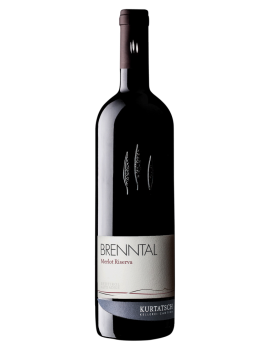
Merlot Brenntal KURTATSCH...
<br /><br />The Brenntal vineyard is located in the north of the village of Kurtatsch and is one of the warmest sites (up to 40° C) in South Tyrol. The vines of the steep slope with intense<br />sunlight stand on red, sandy loam soil.<br /><br />In the evening, the fleshy grapes are cooled by refreshing fall winds. This unique terroir produces a Merlot that captivates with its power and dark berry fruit (cranberries,<br />blackberries), but at the same time retains its alpine character (green tea, white pepper). The fruit on the palate is joined by a dense, velvety tannin. The delicate acidity<br />gives the wine its precise balance with an impressively long finish.<br /><br />Merlot BRENNTAL: the unique one.<br />Vinification: Temperature-controlled fermentation in red wine tanks, ageing in French barriques for 15 months. Barrique for 15 months, followed by ageing in large oak<br />barrels, minimum 1 year bottle ageing.<br />Alcohol: 14,0 % Vol.<br />Total acidity: 5,1 g/l<br />Residual sugar: 1,4 g/l<br />Yield per hectare: 40 hl<br />Optimum age for drinking: 4-15 years<br />Method of cultivation: sustainable<br />
Price
€57.60
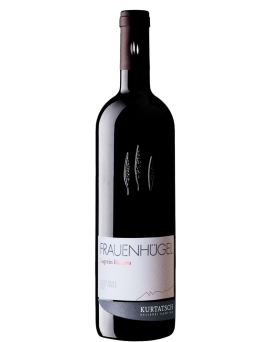
Südtirol Lagrein Riserva...
Lagrein, genetically related to Syrah, is the oldest autochthonous grape variety in South Tyrol. In the hot, deep vineyards in the south of South Tyrol, the heat-loving Lagrein<br />finds its suitable habitat.<br />The FRAUENHÜGEL has a seductive fruitiness of wild berries, elderberries, black cherries and cocoa beans. The wine is enriched with balsamic tannins during ageing in<br />barrique barrels. The noble roasted aromas and the vital acidity are harmoniously combined with the powerful fruit body. The clayey soil is responsible for its typical terroir<br />characteristics, which lend the fruity finish a piquant spiciness (liquorice) and its individual earthy note.<br />FRAUENHÜGEL: the powerful one.<br /><br />Grape variety: Lagrein<br />Vinification: Temperature-controlled fermentation in red wine tanks and ageing in French barriques for 12 months. Barrique barrels for 12 months, followed by ageing in large<br />oak barrels.<br /><br />Alcohol: 13,5 % Vol.<br />Total acidity: 5.4 g/l<br />Residual sugar: 1,8 g/l<br />Yield per hectare: 50 hl<br />Optimal drinking maturity: 3-10 years<br />
Price
€30.50
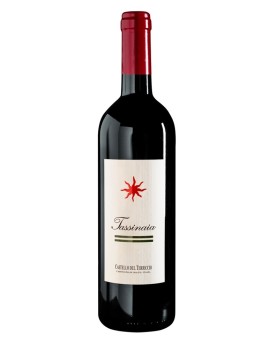
MagnumTassinaia 2019...
<br /><br />Denomination: I.G.T. Rosso Toscana (Tassinaia)<br />Producer: Castello del Terriccio<br />First vintage: 1992<br />Grapes: Cabernet Sauvignon, Merlot<br />Analytical data: Alcohol degree: 14.50%.<br />Soil type: The soils where the vineyards are located are characterised by various and composite morphologies with a strong presence of stones and fossils; the altitude is<br />between 100 and 300 metres above sea level, with south/south-west exposure.<br /><br />Training system: spurred cordon<br />Planting density: 5,600 vines/Ha. for old vineyards; 6,250 vines/Ha. for new vineyards<br /><br />Climatic trend: Autumn began with rain and temperatures above the seasonal norm, while December and January were very cold months with freezing day and night<br />temperatures accentuated by tramontana winds and a lack of rain. Spring was characterised by dry weather. Summer arrived as early as mid-May with temperatures above<br />the seasonal average, as did the summer months. The veraison began in mid-July and the climatic trend brought forward<br />the ripening times of the grapes. Harvesting began early (at the end of August for the Merlot grapes) and continued for the Cabernet Sauvignon grapes until the end of<br />September. Healthy, crisp and well ripened grapes resulted in musts that were not overly structured, characterised by good acidity and a higher alcohol content than in other<br />vintages. higher than in other vintages.<br /><br />Harvest period: The harvest began at the end of August and was characterised by characterised by healthy grapes and perfect veraison.<br /><br />Vinification notes: Extremely soft pressing and destemming. Fermentation in steel vats at a controlled temperature, with maceration of the grapes for about 9-12 days for the<br />Merlot and 12-15 days for the Cabernet. During fermentation subsequent pumping over and délestages.<br /><br />Ageing: Ageing takes place in separate masses for each variety, in French oak tonneaux of second and third passage for 16 months. After being blended and bottled it rests<br />a further 12 months in bottle before being marketed.<br />
Price
€80.20
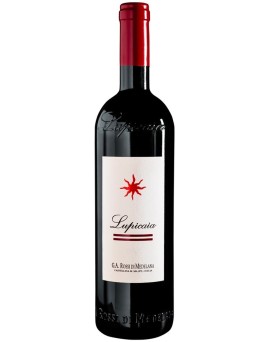
Magnum Lupicaia 2018...
<br /><br />Denomination: I.G.T. Rosso Toscana (Lupicaia)<br />Producer: Gian Annibale Rossi di Medelana,Vittorio Piozzo di<br />Rosignano Rossi di Medelana<br />First vintage: 1993<br />Grapes: Cabernet Sauvignon, Petit Verdot<br />Analytical data: Alcohol degree: 14.50%.<br />Soil type: The soils are rich in iron minerals with the presence of stones and fossils. Facing the Mediterranean Sea, they benefit from a unique reflection of the sun, a<br />moderate breeze from the coast and the abundance of sunlight promotes unique ripening.<br /><br />Training system: Spurred Cordon<br />Planting density: 3,600 vines/Ha for old vineyards; 5,600 vines/Ha for new vineyards<br /><br />Climatic trend: 2016 was certainly one of the most regular vintages of the last decade. Rainfall met the vines' needs punctually: abundant in March, regular in May and June,<br />important at the end of July and, finally, a warm and sunny August and mid-September. Temperatures were optimal: a mild end to the winter that had caused concern was<br />then regularised by a tenably cool spring that slowed down the development of the bunches, which then benefited from the hot but not torrid summer, with significant<br />temperature swings. Cluster growth was regular and optimal, production was good and ripening was perfect.<br /><br />Harvest period: Harvesting was strictly by hand and took place for the Petit Verdot and Cabernet Sauvignon grapes from mid-September. After an initial selection in the<br />vineyard at the time of manual harvesting, the Lupicaia grapes are carefully selected a second time on arrival at the winery on the sorting table.<br /><br />Winemaking notes: After manual selection on the sorting table, the grapes are gently destemmed and pressed, taking care not to break the skin of the berries. Meticulous<br />alcoholic fermentation takes place in our stainless steel open-cap fermenters at a controlled temperature with maceration of the grapes for about 20 days. Daily dèlestages<br />allowed the perfect extraction of the bouquet<br />aromas and the right tannic balance, with an important structure that will allow for long ageing.<br /><br />Ageing: Ageing takes place in new French oak tonneaux for a period of about 22 months followed by further ageing in bottles before release.<br />
Price
€393.60
Magnum Chateau Musar Red 2017
CHATEAU MUSAR RED 2017<br />Chateau Musar Lebanon<br /><br />75 cl<br />Typology: Red wine<br />Country: Lebanon<br />Region: Bekaa Valley<br />Grape varieties: Cabernet Sauvignon, Carignano, Cinsault<br />Soil: Gravelly with calcareous subsoil<br />Vineyard size: 130 ha<br />Type of planting: Gobelet and double guyot<br />Density of vines per ha 1.600<br />Average age of vineyard: 40 years<br />Average production per hectare: 25 hl<br />Vinification and ageing: Destalking, maceration on the skins for 4 weeks and spontaneous fermentation and malolactic fermentation in cement vats from 60 to 300 hl.<br />Maturation on fine lees for 1 year in French oak barriques, 1 year in vitrified cement vats and 3 years in the bottle.<br />Total sulphur dioxide: 38 mg/l<br />
Price
€173.80
LOAM Cabernet-Merlot...
A rarity in the Alpine region are sites with a microclimate in which even red late varieties reach the stage of full ripeness. Loam Cabernet-Merlot owes its exceptional<br />character to the weather-protected location and the special nature and heat storage capacity of the soils of its vineyards.<br /><br />Vintage description: the winter ended with abundant snow in the mountains. Warmer temperatures in March and April caused an early and rather uneven budding in the well-<br />supplied soils. A cool May then delayed the flowering. In humid and hot June, a high fungal disease pressure developed, which could be contained through sensitivity and a<br />lot of careful manual work. The rest of the summer was largely dry and was only interrupted by short, heavy thunderstorms. Two hot spells had practically no negative<br />effects. A significant drop in the lowest temperatures began in mid-August. High temperature differences between day and night characterised the weather throughout the<br />harvest. The harvest took place about 14 days later than in the previous year. The white wines of the 2019 vintage show an impressive freshness, Gewürztraminer are<br />characterised by particular elegance. The red wines present a lot of fruit and a lively tannin structure.<br /><br />Grape variety: Cabernet Sauvignon (40%), Cabernet Franc (25%), Merlot (35%).<br />Yield: 45 hl/hectare<br />Altitude: 250 - 350 m<br />Soil: Clay with calcareous content<br />Age of vines: 15 - 25 years<br />Exposure: south-east 90 %, south 10<br />Climate: extreme interplay between sunny days dominated by the Mediterranean climate and night hours dominated by cold downdrafts from the surrounding mountains<br /><br />Serving temperature 16-18° C<br />Residual sugar 0.7 g/l<br />Total acidity 5,4 g/l<br />Alcohol 14 % vol<br />
Price
€50.20
Magnum Chardonnay DOC...
<br /><br />The Chardonnay Freienfeld, a blend of the best Chardonnay grapes, is only pressed in vintages with optimal weather conditions. Originality and near-natural cultivation are the guidelines in the vineyard.<br /><br />The Chardonnay is characterised by stylish opulence, with lots of exotic fruit and delicate, highly refined toasty aromas. The complex bouquet is reminiscent of ripe citrus fruits, coconuts and a hint of vanilla. Extract and acidity form a delightful balance. The taste is round, with velvety fruit and pleasantly integrated tannin. A complex, elegant Chardonnay with great ageing potential.<br />Chardonnay FREIENFELD: the charming one.<br /><br />Grape variety: Chardonnay<br />Vinification: Fermentation in blond & medium toasted french barriques. Barriques followed by ageing (incl. bâtonnage) for 12 months without biology. Acid reduction. Fine yeast ageing for 6 months in large oak barrels, min. 6 months bottle ageing.<br />Alcohol: 14,5 % Vol.<br />Total acidity: 5,8 g/l<br />Residual sugar: 2,0 g/l<br />Yield per hectare: 40 hl<br />Optimum age for drinking: 4-12 years<br />Method of cultivation: sustainable<br />Bottle size 0,75 l<br /><br />
Price
€92.20
Magnum Merlot Cabernet...
<br />Three values, symbolised by three cypresses, and the best of three grape varieties, united in one wine.<br /><br />Redefining the limits of what is possible.<br />That was our ambition when we created TRES. In the very best vintages, the three oldest and best small plots of our three most important varieties are harvested and vinified<br />under the lowest yields.<br />Grown on red, sandy loam and gravelly dolomite soils in the Brenntal site, Merlot, Cabernet Franc and Cabernet Sauvignon come together to form an inimitable Alpine-<br />Mediterranean cuvée.<br /><br />Grape variety: 77% Merlot, 20% Cabernet Franc & 3% Cabernet Sauvignon<br />Vinification: fermentation in wood, ageing in french barriques for 15 months. Barriques for 15 months, further 9 months in large oak barrels and 4.5 years bottle ageing.<br />Alcohol: 15,0 % Vol.<br />Total acidity: 5,3 g/l<br />Residual sugar: 2,0 g/l<br />Yield per hectare: 35 hl<br />Optimum drinking maturity: Now-20 years<br />Method of cultivation: Merlot: sustainable, Cabernet Franc: bio-dynamic, Cabernet Sauvignon: bio-organic.<br />Bottle size: 0,75 l<br />
Price
€421.80